Mastering the art of deception at the poker table requires a deep understanding of card metrics and psychological observation. Players must learn to balance calculated risks with absolute discipline to decode their opponents' hands accurately throughout a live match. This strategic approach ensures that every creative move contributes to long-term profitability rather than unexpected, unnecessary losses.
The Core Relationship Between Bluffs and Card Analysis
Executing a successful bluff is not merely an emotional gamble but rather a calculated mathematical decision. To construct a convincing narrative, you must thoroughly evaluate the texture of the board and how it interacts with potential ranges. Understanding which combinations are missing from your opponent's distribution allows you to represent specific high-value holdings convincingly.
Advanced players rarely attempt a deceptive play without first establishing a precise breakdown of the remaining cards in the deck. By calculating card distributions in real time, you can determine the exact profitability of your aggressive actions. This meticulous evaluation separates top-tier modern strategists from typical amateur players who rely entirely on blind luck.
Utilizing Blockers to Refine Hand Evaluation
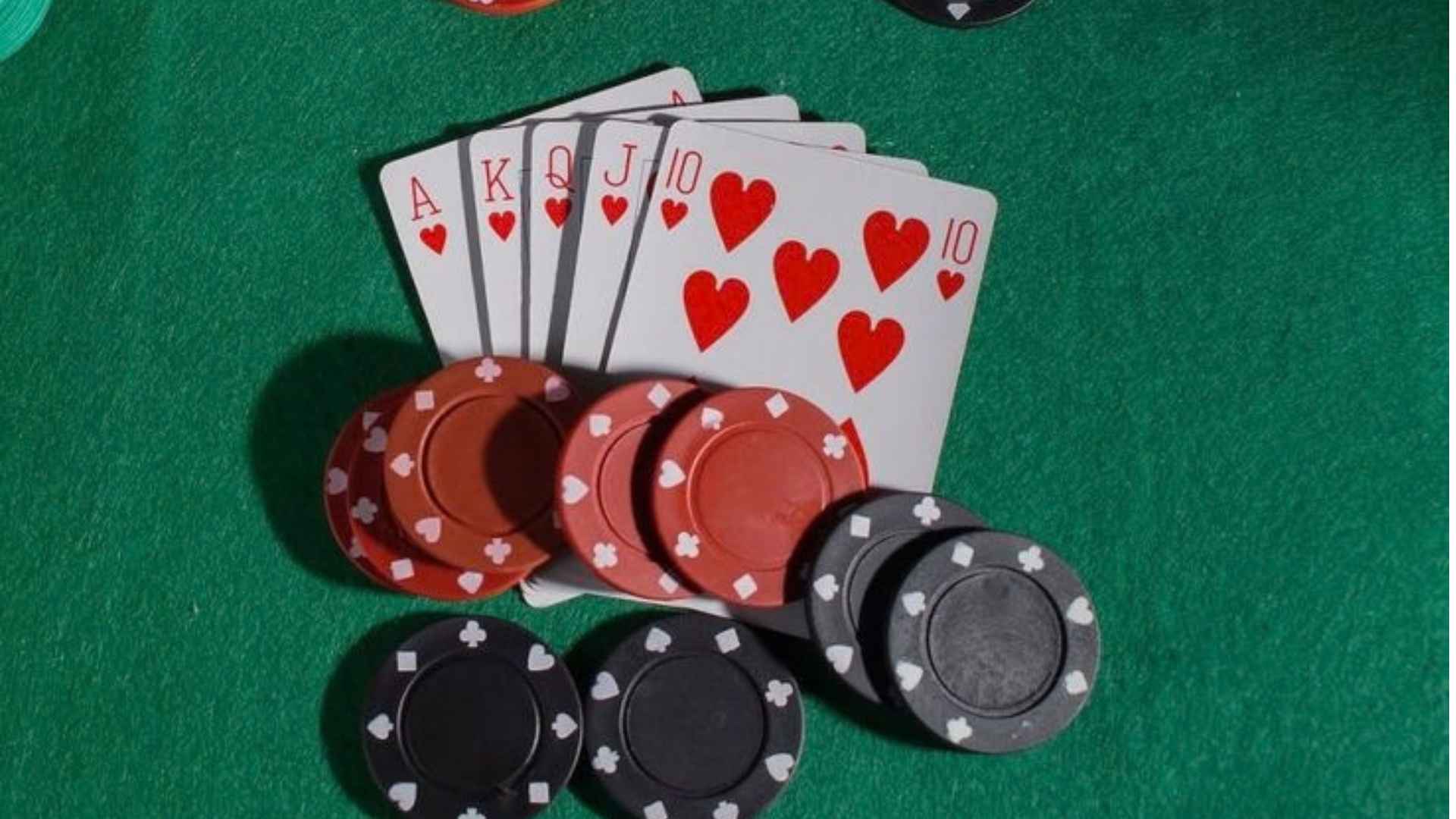
One of the most effective methods for enhancing your evaluation skills involves the tactical use of blockers. Holding specific cards in your own hand automatically reduces the mathematical probability that your rival possesses them. For instance, possessing a crucial ace makes it significantly harder for an opponent to hold the absolute nuts on a flush-heavy board.
Integrating this knowledge into your regular routine provides an excellent safety net during complex tournament sessions. You can study detailed strategic breakdowns on platforms like M88 Mansion to enhance your overall tactical awareness and decision-making capabilities. Recognizing these card-specific opportunities allows you to choose the most profitable moments for execution.
Evaluating Table Dynamics and Texture Changes
The layout of the community cards provides essential data that should dictate your overall level of table aggression. A dry board with disconnected ranks offers vastly different strategic options than a highly coordinated texture filled with straight draws. Smart competitors always monitor how new community cards change the perceived strength of each participant's range.
Tight opponents are generally much easier to force out of a pot when scare cards appear unexpectedly on the turn or river. Conversely, highly aggressive rivals might require you to alter your approach and minimize high-risk theatrical plays entirely. Adapting your style based on board textures ensures a much higher success rate over multiple gameplay sessions.
Balancing Unpredictability with Mathematical Precision
Maintaining long-term consistency requires a delicate balance between systematic randomization and hard mathematical facts. If you only bet when holding premium combinations, observant rivals will quickly learn to fold whenever you show aggression. Incorporating semi-bluffs allows you to maintain an unpredictable table image while still retaining multiple paths to winning the pot.
Combining acute behavioral insights with concrete card distributions creates a highly formidable style of play. This balanced strategy helps maintain structural stability across various tournament formats and casual cash games alike. Deliberate practice will ultimately transform these advanced analytical principles into second-nature habits.